
Table of Contents
-
Introduction
-
Initial Assessment and Damage Evaluation
-
Disassembly and Parts Replacement
-
Structural Repairs and Alignment
-
Advanced Materials and Repair Techniques
-
Paint Matching and Application
-
Reassembly and Quality Control
-
Choosing a Qualified Auto Body Repair Shop
-
Conclusion
Introduction
Modern vehicles are intricate assemblies of advanced materials and sophisticated technologies. When these vehicles sustain damage, repairing them requires specialized knowledge and techniques to restore safety and performance. For residents seeking automotive collision repair West Vancouver, Taylormotive Service Ltd. stands out as a trusted provider. Established in 1959, Taylormotive has built a reputation for quality artistry and reliable service, offering comprehensive collision repair solutions to the West Vancouver community.
Initial Assessment and Damage Evaluation
The repair process begins with a thorough assessment of the vehicle’s condition. Technicians utilize computerized diagnostics to uncover both visible and hidden damage, including issues with electronic systems and structural components. This comprehensive evaluation forms the foundation for an accurate repair plan.
Modern vehicle assessments often include scanning the vehicle’s onboard computers for diagnostic trouble codes (DTCs), which may indicate failures in safety-critical modules such as airbags or advanced driver-assistance systems (ADAS). This step is essential, as missed issues can compromise both performance and crashworthiness. Technicians may also perform visual inspections and structural checks, using measurement systems that ensure chassis and body alignment to the millimeter.
Disassembly and Parts Replacement
Following the assessment, the vehicle undergoes disassembly to access damaged areas. During this phase, decisions are made on whether to repair or replace parts. For instance, structural components such as frame rails may need to be replaced to maintain the vehicle’s integrity. It’s crucial to adhere to manufacturer guidelines to ensure repairs meet safety standards.
Technicians carefully document all components removed and inspect for hidden damage that might not have been visible during the initial assessment. OEM (Original Equipment Manufacturer) parts are generally preferred for critical replacements, as these ensure a proper fit and maintain the vehicle’s design specifications. Salvage or aftermarket parts may be used when budgets are tight. Still, most reputable shops prioritize quality and safety. Choosing the right parts can also affect vehicle warranties and insurance coverage, making proper documentation at every step essential.
Structural Repairs and Alignment
Modern vehicles often feature unibody construction, where the frame and body are integrated. Repairing structural damage in such vehicles demands precise techniques and equipment. Technicians must ensure the vehicle’s frame is properly aligned to maintain its structural integrity and safety features.
Specialized frame alignment machines use lasers and computerized systems to measure and adjust the vehicle’s structure back to factory specifications. Even slight misalignments can affect the performance of crumple zones or suspension geometry. High-strength steels and other advanced materials require specific handling methods, such as sectioning and welding, which must follow manufacturer-established procedures. A poorly executed structural repair can compromise safety in a future collision, making experienced, well-equipped repair shops indispensable.
Advanced Materials and Repair Techniques
Today’s vehicles incorporate materials like aluminum, carbon fiber, and high-strength steel to enhance performance and fuel efficiency. Repairing these materials requires specialized knowledge and equipment. For example, aluminum repairs often involve specific welding techniques and contamination control measures to prevent corrosion.
The use of lightweight and composite materials presents unique challenges. Carbon fiber components, for example, are not repairable by conventional means and often require full replacement. At the same time, mixed-material construction, which might combine aluminum and steel, necessitates careful joining techniques to avoid galvanic corrosion. Technicians undergo regular training to keep pace with evolving material technologies, adopting processes such as adhesive bonding, riveting, and precise torque specifications. Modern repair shops invest in dedicated workspaces and specialized tooling to safely restore components made from sensitive or reactive materials, ensuring manufacturer standards and vehicle performance are maintained post-repair.
Paint Matching and Application
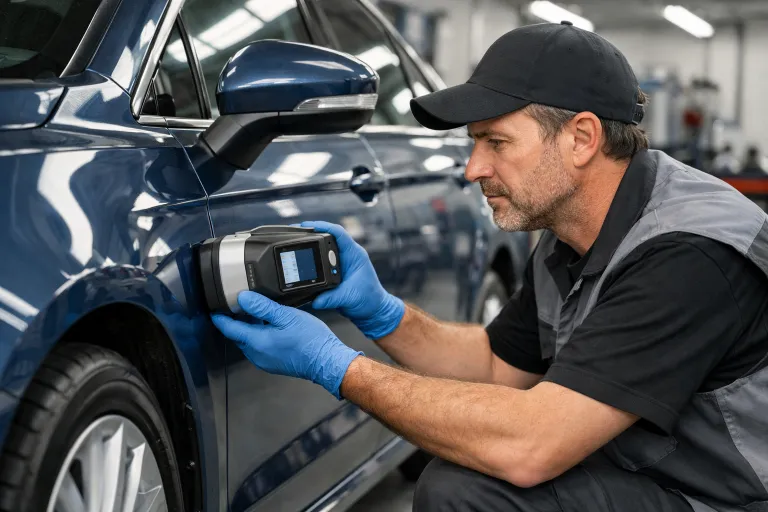
After structural repairs, the vehicle’s exterior is prepared for painting. Achieving a seamless color match is essential for aesthetic and resale value. Technicians use advanced color-matching systems and apply multiple layers of paint and clear coat to achieve a factory-quality finish.
Paint specialists blend colors using computerized paint-matching technologies that account for the original manufacturer’s codes and the unique fade or weathering patterns each vehicle develops over time. Vehicles may undergo multi-stage paint processes that include primers, base coats, color coats, pearl or metallic treatments, and protective clear coats. Modern booths use high-efficiency particulate air (HEPA) filtration to ensure dust-free finishes. Quality assurance protocols include testing for proper adhesion, gloss, and texture to prevent issues such as orange peel or color mismatch.
Reassembly and Quality Control
Once the painting is complete, the vehicle is reassembled. This stage includes reinstalling components, calibrating electronic systems, and conducting thorough quality checks. Ensuring that all systems function correctly is vital for the vehicle’s safety and performance.
Reassembly is performed systematically, often following manufacturer-specific torque and sequence guidelines to ensure structural integrity and proper fit of panels and trim. Electronics, such as sensors and cameras integral to ADAS features, are recalibrated during this stage to restore full operational safety. Final quality control inspections look for mechanical fit, alignment, fluid leaks, proper operation of safety systems, and flawless finish. Test drives and diagnostic scans verify that electronic systems are free of error codes and function as intended.
Choosing a Qualified Auto Body Repair Shop
Selecting a reputable repair shop is crucial. Look for facilities with certified technicians, proper equipment, and a commitment to following manufacturer repair procedures. For instance, if you’re seeking automotive collision repair in West Vancouver, consider Taylormotive Service Ltd. With decades of experience, they specialize in restoring vehicles to their original condition and serve the West Vancouver area with a focus on quality and customer satisfaction.
Additionally, choose repair shops recognized by insurance providers and those holding certifications from industry organizations such as I-CAR or manufacturer-specific accreditation programs. Quality shops offer written warranties on repairs and are transparent about the parts and methods used. Customer testimonials and repair guarantees provide further peace of mind, ensuring a hassle-free experience from estimate to final handover. A trusted repairer not only restores your vehicle but can also assist in navigating insurance claims to streamline the entire process.
Conclusion
Repairing modern vehicles is a complex process that requires specialized knowledge and equipment. By understanding the steps involved and choosing a qualified repair facility, vehicle owners can ensure their cars are restored to optimal condition, maintaining safety and performance standards.
As vehicles become more technologically advanced, the importance of proper repair grows exponentially. Ensuring all safety, aesthetic, and performance aspects are addressed protects your investment and safeguards you and your passengers. Whether facing minor fender-benders or major structural repairs, a comprehensive, expert approach guarantees your vehicle remains reliable and roadworthy for years to come.
