
/background-images/compressed-air-basics.jpeg?w=696&resize=696,0&ssl=1 "A Practical Guide to Reliable Industrial Compressed-Air Systems in Jacksonville, Florida")
Key Takeaways
- Reliable compressed air depends on the full system, not only the compressor.
- Measuring actual demand helps prevent costly oversizing and unstable pressure.
- Dryers, filters, drains, and receivers protect downstream equipment and processes.
- Leak management and pressure-drop checks should be ongoing work, not one-time projects.
- Controls, monitoring, documented maintenance, and safe expansion planning support uptime.
Reliable compressed air keeps Jacksonville manufacturing, logistics, marine support, rail, and processing operations moving. For a new build, retrofit, or capacity review, air compressor installation Jacksonville, FL, support from Air Production & Service, Inc. can be relevant to facilities that need a complete system perspective. The company describes its work as engineered compressed-air solutions for industrial clients nationwide, including engineering, fabrication, installation, commissioning, and remote-management support. In Northeast Florida, warm and humid conditions make good drainage, air treatment, ventilation, and maintenance especially important. A dependable system is not simply a compressor with enough horsepower. It is a coordinated plan for supply, storage, treatment, piping, controls, and service that delivers suitable air at the point of use.
Why Compressed-Air Reliability Matters
Compressed air may operate tools, valves, automation, conveying equipment, testing stations, and cleaning equipment. When pressure drops or contamination reaches a critical level in the application, the result can be slow cycles, poor tool performance, damaged components, or interrupted production. The U.S. Department of Energy emphasizes a system-wide approach to compressed-air system performance, including controls, storage, air quality, maintenance, and leak reduction. Before adding another compressor, investigate the entire air path. A restricted filter, an undersized branch line, a poorly located receiver, a stuck drain, or a large leak can create the same low-pressure complaint as insufficient capacity.
Start With Actual Air Demand
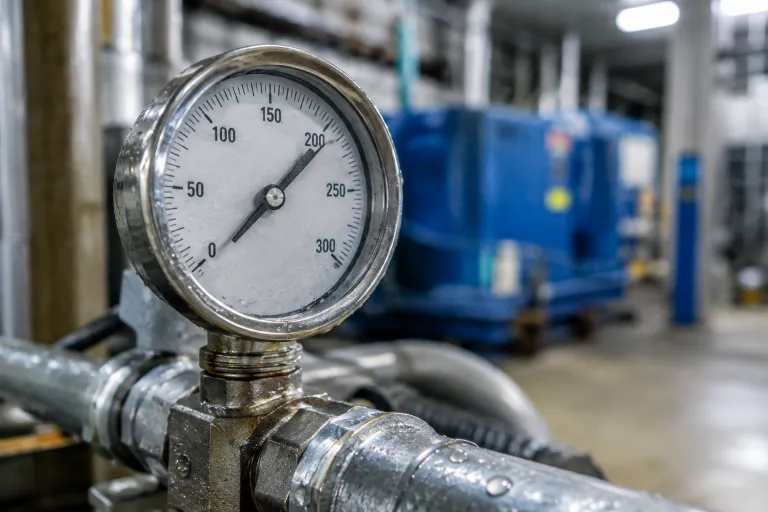
Measure demand during normal production, startup, shift changes, cleaning periods, and known peak events. Record pressure at the compressor discharge and at major points of use. Also note average flow, peak flow, compressor runtime, operating schedule, future equipment plans, and seasonal or production-mix changes. Demand-side information helps distinguish a true capacity shortage from a distribution or control problem. It also provides a baseline for judging whether upgrades improve performance after commissioning.
Size Around Real Conditions
Select equipment around actual flow, required pressure, duty cycle, ambient conditions, electrical service, air-quality needs, and acceptable production risk. The system should handle high-demand periods without being forced to operate inefficiently during light-load periods.
Simple Planning Checklist
- List each significant air-using device and its required pressure.
- Identify continuous loads and short, high-flow demand spikes.
- Compare measured demand with installed capacity and control settings.
- Decide whether the process needs standby capacity for maintenance or failure events.
- Allow practical room for future piping, storage, and service access.
Plan for Air Treatment
Compressed air can contain moisture, particles, oil aerosols, and contaminants introduced by the environment or equipment. The acceptable air quality depends on the application. General plant air may have different requirements than instrument air, paint work, electronics, food-related processes, or sensitive automated equipment. A treatment plan may include aftercoolers, moisture separators, refrigerated or desiccant dryers, particulate filters, coalescing filters, automatic drains, and air receivers. In Jacksonville’s humid climate, condensate management deserves close attention. Drains must operate reliably, and piping should be arranged to prevent water collected from reaching sensitive equipment.
Review Storage and Distribution
Receivers can help a system handle brief demand spikes and reduce unnecessary compressor cycling when sized and located to match the actual operating pattern. Distribution piping should deliver pressure efficiently rather than forcing the compressor to operate at a higher setpoint than the process requires. Look for undersized pipe, long runs, sharp directional changes, restricted hoses, clogged filters, water traps, poorly arranged drops, and missing isolation valves. A pressure-drop survey from the compressor room to the end use often identifies practical opportunities for improvement.
Use Controls and Monitoring Wisely
When multiple compressors serve a single facility, sequencing controls can match available supply to changing demand. Useful monitoring points include pressure, flow, power use, operating hours, discharge temperature, dryer performance, filter differential pressure, and alarm history. Remote visibility can help maintenance teams see developing changes, but it should complement physical inspections and trained troubleshooting. The most valuable data is data that leads to a clear action, such as cleaning a cooler, replacing a restricted element, repairing a leak, or adjusting control logic.
Create a Maintenance Plan
Build maintenance around manufacturer guidance, operating conditions, equipment age, and the consequences of downtime. Hot, dusty, wet, or heavily used environments may require closer attention than light-duty installations.
Recommended Check Intervals
- Daily: Watch for unusual noise, vibration, heat, odors, alarms, or pressure changes.
- Monthly: Inspect drains, filters, coolers, hoses, belts, fittings, and visible piping.
- Quarterly or annually: Review controls, inspect treatment equipment, test applicable safety devices, conduct leak surveys, and compare current readings with the established baseline.
Find and Repair Air Leaks
Leaks may not stop production immediately, but they can increase run time and contribute to pressure instability. Use ultrasonic detection, quiet-period listening checks, or pressure and flow testing to identify losses. Maintain a written log with the leak location, condition, priority, repair date, and verification result. Repair large leaks and leaks near critical equipment first, then address damaged hoses, fittings, valves, drains, and quick-connect points. After repairs, recheck the flow and compressor behavior. A leak program is most effective when it becomes routine rather than waiting for utility costs or low-pressure complaints to trigger action.
Build in Safety and Future Capacity
Compressed-air projects should include proper ventilation, safe electrical work, pressure-relief protection, condensate handling, guarding, signage, service clearance, and documented shutdown procedures. For cleaning tasks, review applicable compressed-air cleaning requirements before using compressed air near employees or debris. Plan expansion early. A new production line, an added shift, or a process change can quickly alter demand. Keep current drawings, pressure settings, filter specifications, manuals, maintenance records, and commissioning data so future teams can make informed decisions.
Common Questions
How Often Should an Industrial Compressed-Air System Be Inspected?
Visible operating checks should be frequent, while deeper inspection intervals should follow manufacturer recommendations and site conditions. High-use or high-risk systems usually need more attention than lightly loaded systems.
What Causes Pressure Drops?
Common causes include leaks, restricted filters, undersized piping, inadequate storage, excess demand, incorrect controls, and insufficient compressor capacity. Measure pressure at the point of use before deciding on a solution.
Is a Larger Compressor Always Better?
No. An oversized compressor can increase purchase cost and may not address leaks, restrictions, or poor controls. Start with demand measurements and a system assessment.
When Should a Facility Consider Remote Monitoring?
It can be useful for facilities with multiple compressors, limited maintenance coverage, remote equipment, changing demand, or tight uptime requirements.
Final Thoughts
A reliable compressed-air system for a Jacksonville facility begins with accurate information about how the system operates and where air is being used. Measure demand, identify changing production needs, protect air quality, manage moisture, reduce leaks, maintain equipment, and document the system’s condition and performance. Regular inspections can help maintenance teams spot pressure problems, worn components, drainage issues, or other conditions that may affect efficiency and production. It is also useful to review system performance after repairs or upgrades to confirm that changes are delivering the intended results. These fundamentals create a stronger basis for equipment decisions, future upgrades, safer operation, stable production, and long-term energy management. A well-documented system also gives facility teams a clearer starting point when priorities or operating conditions change.
