
Key Takeaways
-
Gum accumulation on concrete can cause both aesthetic and safety issues, requiring proactive, safe removal.
-
Costs vary widely by method and area size; professionals typically charge per square foot in Washington.
-
Safety protections and the right removal method are critical to successful gum removal without damaging surfaces.
-
Ongoing prevention and maintenance reduce removal frequency and long-term costs.
Table of Contents
-
Why Is Gum Removal Important?
-
What Are the Costs Associated with Gum Removal?
-
How Can You Safely Remove Gum from Concrete?
-
What Are the Proven Methods for Gum Removal?
-
Should You Hire Professionals or Attempt DIY Gum Removal?
-
How Can You Prevent Future Gum Accumulation?
-
Frequently Asked Questions
-
Conclusion
Chewing gum stuck on sidewalks or other hard surfaces is a widespread problem throughout Washington. Left in place, these sticky blemishes are unsightly, trap additional dirt, and pose a hazard to pedestrians. Managing gum deposits effectively involves knowing how to perform removal safely, understanding the expected costs, and using the best techniques. If you’re facing gum-related stains on your property, it is important to weigh your removal options and their resulting benefits. For more details on local pricing and included services, visit Remove Gum From Concrete Washington.
Untreated gum can weaken concrete over time and diminish curb appeal for businesses and public spaces. Recent reports emphasize the importance of addressing minor maintenance issues upfront to prevent more costly repairs and reduce liability for property owners. Regular cleaning, paired with preventive measures, plays a vital role in the long-term care of concrete surfaces. In fast-growing cities around Washington, community maintenance teams are searching for best practices for gum removal while prioritizing environmental and personal safety. Promoting public mindfulness about proper gum disposal is an important part of maintaining clean, safe pedestrian environments. This guide breaks down each component of an effective removal and prevention strategy.
Why Is Gum Removal Important?
Gum stains decrease the visual quality of paved areas and public walkways, giving an impression of neglect. Large accumulations may also create slip hazards, especially when wet, and represent a legal liability for property managers. Neglected gum can seep into concrete pores, exacerbating damage from freeze-thaw cycles and traffic wear. Regular removal keeps these surfaces safer and looking their best, contributing to community pride and overall cleanliness.
What Are the Costs Associated with Gum Removal?
Costs are influenced by the number of gum spots, concrete porosity, area size, environmental regulations, and the tools chosen for the job. In Washington, professional gum removal providers typically charge between $0.50 and $2.00 per square foot, depending on the contamination level and access. DIY removal requires investing in tools like scrapers, heat guns, or pressure washers, plus personal time and safety gear, but it may be suitable for small areas or single spots. Keep these factors in mind as you evaluate whether a do-it-yourself or professional service is best for your needs.
How Can You Safely Remove Gum from Concrete?
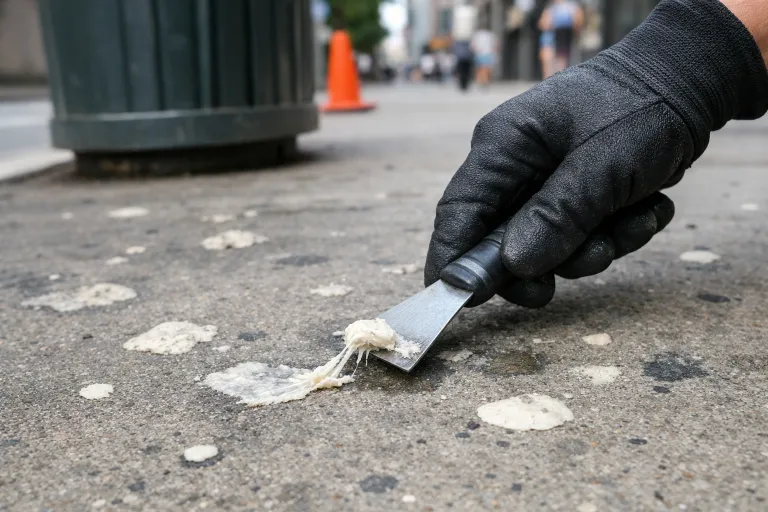
Wear appropriate personal protective equipment (PPE), such as sturdy gloves and safety glasses, to protect against sharp tools, splashes of chemicals, and flying debris. If you opt for chemical solutions, select products designed for concrete safety, and ensure good ventilation to prevent fume build-up. When using pressurized equipment or heat, always read the manufacturer’s instructions to avoid damaging concrete or causing personal injury.
What Are the Proven Methods for Gum Removal?
-
Freezing and Scraping: Harden chewing gum by pressing an ice pack, ice cubes, or a commercial freezing spray directly onto the affected area. Gently scrape up the solidified gum with a putty knife or plastic scraper. This technique works best on small, isolated gum deposits.
-
Heat Application: Use steam or hot water to soften embedded gum, then wipe or scrape away. Exercise caution to prevent burns, and avoid using boiling water, as it might damage or discolor certain types of concrete.
-
Chemical Solvents: Specialized concrete-safe gum removers or environmentally friendly citrus-based cleaners can break down stubborn residue. Test an inconspicuous spot before full application to guard against unwanted reactions.
-
Pressure Washing: For large-scale contamination, commercial-grade hot water pressure washers are effective for lifting hardened gum. Adjust the pressure to the lowest level necessary to preserve surface integrity and avoid pitting or erosion.
Should You Hire Professionals or Attempt DIY Gum Removal?
Professional gum removal services use specialized equipment and expertise to deliver quick, thorough cleaning, particularly in commercial and municipal spaces. These providers understand the nuances of local surfaces and the most efficient, least abrasive techniques. DIY projects can be a good match for property owners with small problem areas and basic tools, but require patience, an understanding of material safety, and a willingness to follow through with protective and preventive actions.
How Can You Prevent Future Gum Accumulation?
Strategically placed signage, accessible garbage bins, and consistent cleaning schedules will greatly reduce the recurrence of gum buildup. Educational campaigns for residents and patrons help reinforce good disposal habits and can lead to long-term behavioral changes around gum disposal. These efforts not only improve appearance but also reduce future remediation costs.
Frequently Asked Questions
What is the most cost-effective method for removing gum from concrete?
Freezing and scraping remain the preferred low-cost solution for limited gum deposits. For broad commercial areas, investing in or hiring a professional pressure-washing service can provide better value, saving labor and reducing the risk of surface damage.
Can chemical solvents damage concrete surfaces?
Certain chemical solvents may cause lightning or etching on concrete if misapplied. To prevent damage, always conduct a spot test and choose formulations that are clearly labeled for use on masonry.
How often should gum removal be performed?
In heavy-traffic zones, monthly or bi-monthly cleaning may be required, while quieter areas typically require quarterly interventions. Consistent monitoring allows you to adjust the cleaning schedule as conditions change.
Are there eco-friendly options for gum removal?
Yes, both citrus-based chemical removers and steam cleaning rank among the most environmentally responsible options, providing effective cleaning while reducing reliance on harsh chemicals and limiting runoff concerns.
Is pressure washing safe for all concrete surfaces?
Pressure washing can erode or fracture weathered or crumbly concrete, especially at high settings. Opt for professionals who can assess your surface and modify techniques for safe, effective cleaning.
Conclusion
Effective gum removal from concrete is an important part of maintaining safe, clean, and visually appealing public and private spaces. Whether addressing small spots or large-scale buildup, choosing the right removal method and taking proper safety precautions helps prevent surface damage while ensuring thorough cleaning. Understanding the costs, techniques, and risks involved allows property owners to make more informed decisions about whether to use DIY methods or hire professional services. Long-term maintenance and preventive strategies, such as regular cleaning schedules, proper waste disposal, and public awareness campaigns, can significantly reduce future gum accumulation. By taking a proactive approach, property managers and communities can lower maintenance costs, extend the life of concrete surfaces, and create cleaner, safer environments for everyone.
